Board Games for a Relaxed Game Night at Home
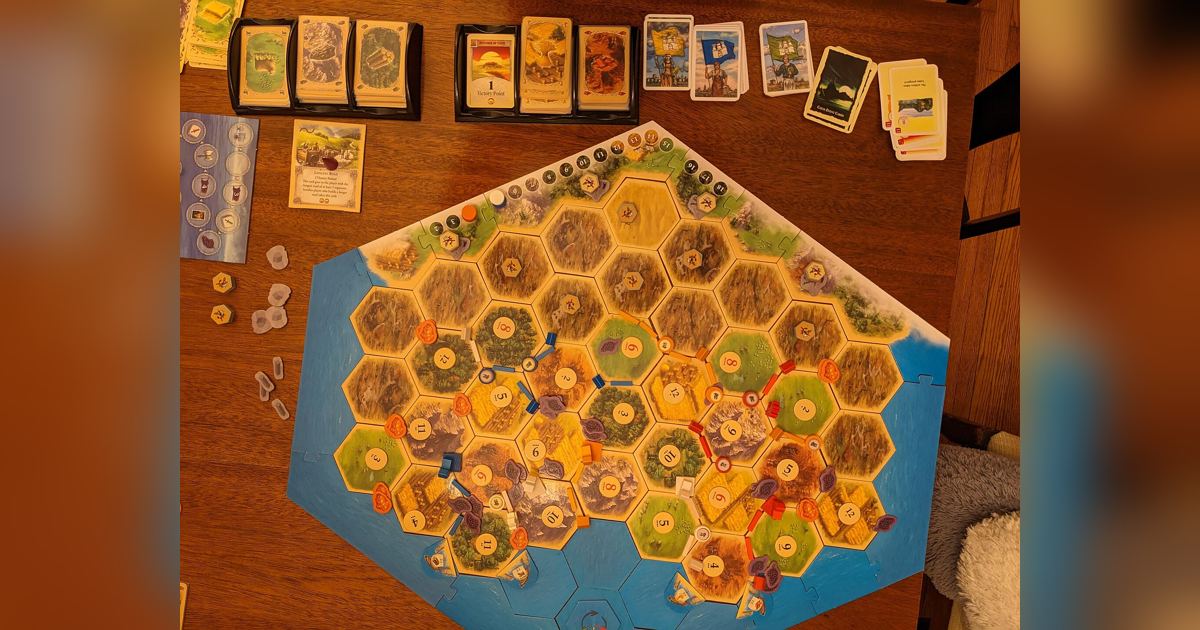
A good game night is one of the easiest ways to spend an evening with people you like. No cooking marathon, no complicated playlist, just a table, a few snacks and something to pass around. The trick is picking games that keep the mood light. Here is a relaxed guide to choosing, hosting and enjoying one.
Start with the people, not the game
The best game is the one your group will actually finish. Before you choose, think about who is coming. Are they competitive? Do they like reading rules? Is there someone who gets anxious when they are put on the spot? A table of old friends can handle a long strategy game. A mixed group with a few newcomers does better with something you can explain in two minutes.
It helps to keep a few types on the shelf so you can match the room. Having options also lets you change course if the first game is not landing, which is perfectly fine and happens to every host.
Easy picks for a gentle evening
Here are the categories that tend to work for relaxed groups, with a couple of well-known examples where they fit:
- Cooperative games, where everyone plays together against the game. Titles such as Pandemic and Forbidden Island are popular, and nobody ends the night feeling beaten by a friend.
- Light party games built on guessing and laughter, such as Codenames, Just One or Dixit. They scale well to larger groups.
- Short card games with simple rules, like Love Letter or Sushi Go, which take about fifteen minutes and invite instant rematches.
- Gentle building and collecting games, for example Ticket to Ride or Carcassonne. Easy to learn, and you can chat while you play.
- Classic favourites such as dominoes, Scrabble or a deck of ordinary cards. Familiar games remove the learning curve completely.
A good rule of thumb is that the best game night picks have rules you can teach in under five minutes. If you find yourself reading from a rulebook for twenty, you have chosen a project, not an evening.
How to teach a game without losing the room
Teaching is the awkward part, and most hosts rush it. A calmer approach is to say what the game is about in one sentence, explain how a turn works, and then start playing. Let people learn the small rules as they come up. Nobody remembers a long preamble, but everyone remembers the first round.
Play one practice round if it is a game with scoring. It is a little less intimidating to make a mistake when nothing counts. And if you are the only person who knows the game, resist the urge to coach. Quietly suggesting moves for others tends to drain the fun.
Snacks, seating and setup
Food matters at game night, but it need not be elaborate. Finger food is ideal, since sticky fingers are the enemy of cards.
- Bowls of nuts, popcorn, crisps and olives
- A cheese board with crackers
- Mini sausage rolls or small sandwiches
- Cut fruit and a few squares of chocolate
- Tea, coffee, cold drinks and one jug of something nicer
Use a table with enough elbow room, and good light. If you are playing a game with tiny pieces, a tablecloth or a felt mat keeps them from rolling off. Keep drinks off to one side, ideally on a small side table, because a spilled glass on a board is a lesson nobody needs twice.
A little background music at a low volume fills silences without drowning conversation. Instrumental playlists tend to work well.
Keeping a game night friendly
Every group has someone who takes it too seriously. A few small rules prevent trouble. Agree early that table talk is welcome but arguments about the rules are settled by a quick vote. Let newer players take back a move without teasing. Offer to swap partners or teams between rounds.
If your group has a competitive streak, choose a cooperative game or play a lighter one first. It also helps to give a small, silly prize to the winner, perhaps a chocolate bar or the right to pick the next game, so that winning feels like fun instead of triumph.
Do not forget the quiet player. Some people enjoy a game from the edge of it, laughing along and moving a piece now and then. Not everyone has to be the loudest.
Making game night a habit
Once a month is a nice rhythm. Rotate the host so the effort is shared, or hold it in the same place every time so it becomes a fixture. A shared note on your phone listing games you have enjoyed and ones to try keeps the next evening easy to plan.
For small households, a game night for two is lovely too. Pick a short card game, make a pot of tea and see who can win best of five. Those small rituals can do more for a relationship than a fancy dinner out.
End on a high note
Stop while people are still enjoying themselves. One more round at midnight rarely improves the mood. A good game night ends with someone saying “we should do this again”, and that is the only measure of success that matters. Bring out the chocolates, put the pieces back in the right boxes, and book the next one before everyone leaves.
For more background, see the Wikipedia article.
Related reading

Writes for Dream Dream You.