Simple Breathing Exercises for Stress You Can Do Anywhere
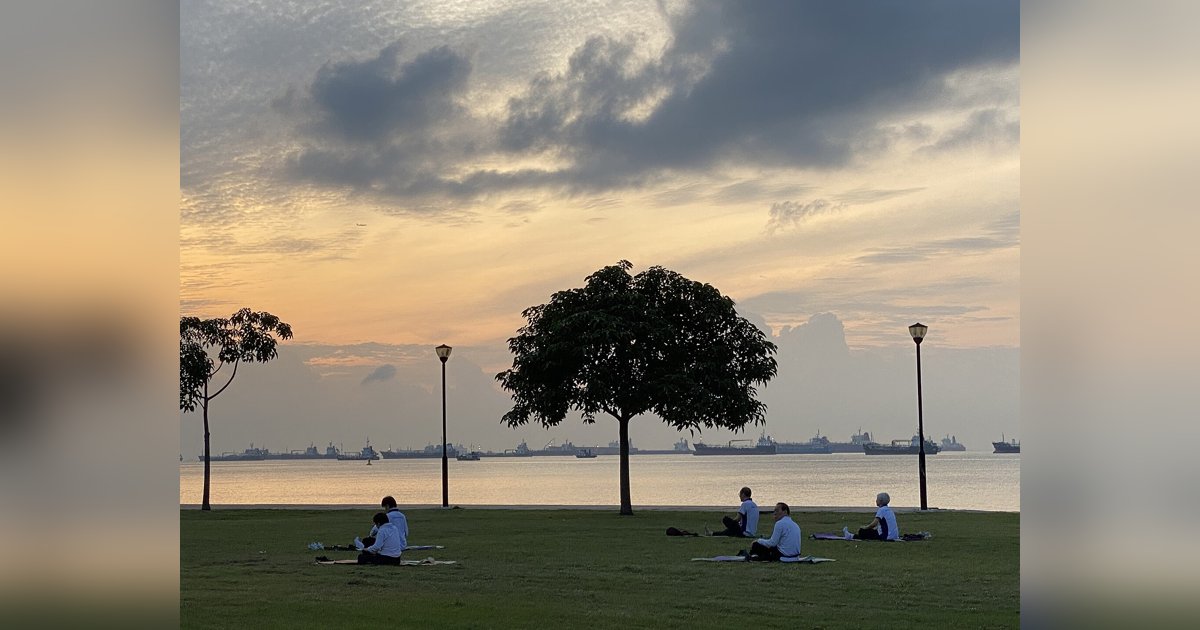
When stress hits, breathing is usually the first thing to go wrong. It turns quick and shallow, shoulders creep up toward the ears, and you may not notice until you let out a long sigh. The good news is that breathing is also one of the few body systems you can steer on purpose. These simple breathing exercises take a minute or two, need no equipment and can be done almost anywhere.
Why breathing exercises can help
Slow, steady breathing is thought to nudge the body toward its rest-and-digest mode and away from the alarm state. Many small studies suggest slow breathing can help people feel calmer, although the results vary and the quality of research is uneven.
So think of breathing exercises as a helpful everyday tool, not a treatment for anxiety or any health condition. If stress or panic is taking over your life, speak to a doctor or therapist. These techniques can sit alongside proper support, not replace it.
Getting set up
Sit upright in a chair or lie down, with your shoulders relaxed. Rest a hand on your belly if you like. Breathe in through your nose when you can, and keep everything gentle. You should never strain or gasp.
If you feel dizzy, tingly or light-headed, return to normal breathing and rest. People with asthma, heart or lung conditions, or who are pregnant should check with a doctor before trying techniques that involve holding the breath.
Belly breathing
This is the starting point for most people. Place one hand on your stomach. Breathe in slowly through your nose for a count of about four, letting your belly rise under your hand. Breathe out gently for a count of about six, letting the belly fall.
Repeat for two to five minutes. The longer out-breath is the key. Many people find that making the exhale a little longer than the inhale produces a sense of settling.
Box breathing
Box breathing is popular for its tidy rhythm. Picture the four sides of a square.
- Breathe in for four counts.
- Hold gently for four counts.
- Breathe out for four counts.
- Hold gently for four counts.
Go round for about four rounds. If the holds feel uncomfortable, shorten them or skip them and just breathe in and out evenly. It is a good one to use before a tricky meeting or while stuck in traffic.
The 4-7-8 pattern and the physiological sigh
Another well-known pattern is to breathe in through the nose for four, hold for seven, and breathe out slowly through the mouth for eight. It is often suggested as a bedtime aid. Start with fewer rounds, since the long hold can feel strange at first.
A quicker trick is the double inhale. Take a full breath in through the nose, add a second short sip of air on top, then let a long breath out through the mouth. Do it once or twice when you feel tension spike. It is simple, and many people say it works like a reset.
Common mistakes to avoid
The biggest one is trying too hard. Forceful, deep, rapid breathing can leave you light-headed and does the opposite of calming you. Keep the breath smooth and easy, and let the exhale be unhurried.
Another is expecting instant transformation. Breathing exercises tend to take the edge off, not erase a bad day. A third is practising only when stressed. Short, regular sessions build familiarity, so the pattern feels natural when you need it. Finally, do not push through discomfort. If a technique feels wrong, stop and try a simpler one, or just breathe normally. There is no prize for the longest hold.
Fitting breathing exercises into real life
The best practice is the one you remember. Link it to something you already do: while the kettle boils, at red lights, before you open your email, or when you climb into bed. A single minute is enough to begin with.
Do not wait for a crisis to try them. Practising when you are fairly calm makes the techniques easier to reach for when stress rises. Be patient if your mind wanders, which is entirely normal. Bring it back to the next breath without any fuss.
Over time, you may notice you catch yourself holding your breath or clenching your jaw sooner. That awareness is half the benefit. With a few simple breathing exercises in your pocket, you have a quiet, free way to take a small step back from a hectic moment.
For more background, see the Wikipedia article.
Related reading

Writes for Dream Dream You.