How to Start a Dream Journal and Actually Keep Writing in It
Dreams are slippery. You wake with a vivid scene in your head, set about making coffee, and by the time the kettle boils it has dissolved. A dream journal is a simple way to catch a few of them before they go. It needs nothing fancy, only a notebook, a pen and a few minutes in the morning. Here is how to begin, and how to keep going once the novelty wears off.
Why bother with a dream journal
People keep dream journals for different reasons. Some are curious about their own minds. Some want to spot patterns in worries or moods. Others are hoping to try lucid dreaming, where you realise you are dreaming while it happens, and recall is the first step. Some just enjoy the strange stories.
Research on whether journaling improves recall is limited, but many people report that paying attention to dreams makes them remember more. It seems sensible: you are telling your brain that this material matters.
Choose your tools
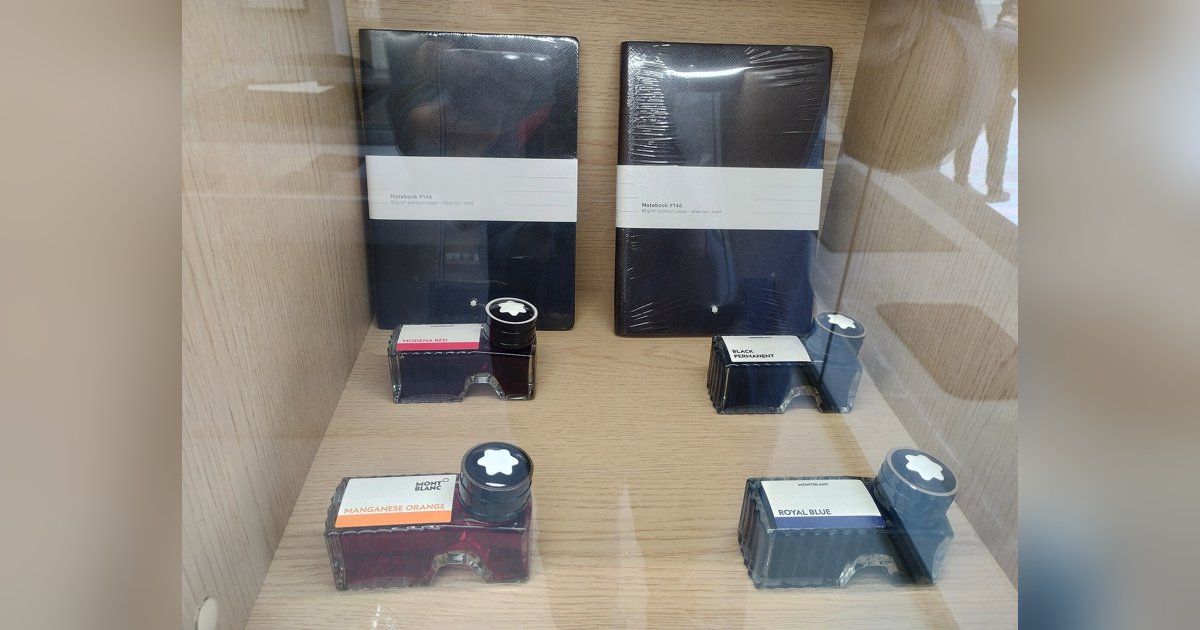
Keep it easy. The best setup is the one you will actually use half asleep.
- A paper notebook and a pen on the bedside table. Paper does not light up your face or tempt you to check messages.
- A notes app on your phone, if you prefer, with the brightness turned low.
- A voice memo, handy if writing feels like too much effort before you are fully awake.
Whichever you choose, put it where your hand will land the moment you wake. A pen that has rolled under the bed has ended many a good intention.
Write the moment you wake
This is the whole secret, and it is also the hard part. Dream memory fades fast, often within minutes. Before you stretch, check the time or speak to anyone, stay still with your eyes closed and ask yourself what was just happening. Hold onto whatever comes, even a colour or a feeling.
Then write it down in the present tense, as if it is still unfolding. Do not worry about neat sentences. Fragments are perfectly fine. If you only remember a single image, write that image and the mood that came with it.
What to put in each entry
A loose structure keeps the habit from feeling like homework. Many people note the date, a short title, what happened, who or what appeared, and how they felt in the dream and on waking. Some add a line about the previous day, since dreams often borrow from recent events.
A short prompt can unlock more detail. Try asking where you were, who else was there, what was odd or out of place, and what feeling lingered afterwards. Sketches count too, especially if the dream was more visual than verbal.
Keeping a dream journal going
Many people start enthusiastically and quit within a fortnight, usually after a run of mornings with nothing to write. That is normal. Some mornings you will remember nothing, and on those, writing a line such as “no dream recalled, felt calm” keeps the habit alive.
Some other small things help. Go to bed at a regular time so you are not short on sleep, because dream recall tends to be better when you wake naturally from a fuller night. Alcohol and some medications can dull recall, so notice if that applies to you. And be kind to yourself about gaps.
Common roadblocks and easy fixes
Not remembering anything is the most frequent complaint. Try telling yourself as you fall asleep that you will remember your dreams, and give it a couple of weeks. Waking up a little more slowly, without jumping at the alarm, tends to help. Some people set a gentler tone or a later alarm at weekends and find recall improves.
Another snag is the feeling that dreams are too silly or private to record. Remember that no one else needs to read the journal. A dream about your dentist turning into a goose is still data about what your mind was doing. If handwriting feels slow, use bullet points, single words or a quick drawing. The only rule is that something goes on the page.
Reading it back
The real payoff comes weeks later. Set aside a quiet half hour each month to read your entries together. You may notice repeating settings, certain people turning up, or similar feelings appearing during busy weeks.
Be careful not to treat the patterns as predictions. Dream interpretation is personal and unproven, and your own reaction to an entry is a better guide than any symbol list. If your dreams are distressing or disturb your sleep often, mention it to a doctor or a therapist.
A dream journal, in the end, is just a small, private habit of paying attention. It costs almost nothing, it can be surprisingly entertaining, and it gives you a record of the strange stories your mind tells while you rest.
For more background, see the Wikipedia article.

Writes for Dream Dream You.