Healthy Hair Tips You Can Use at Home Without Fancy Products
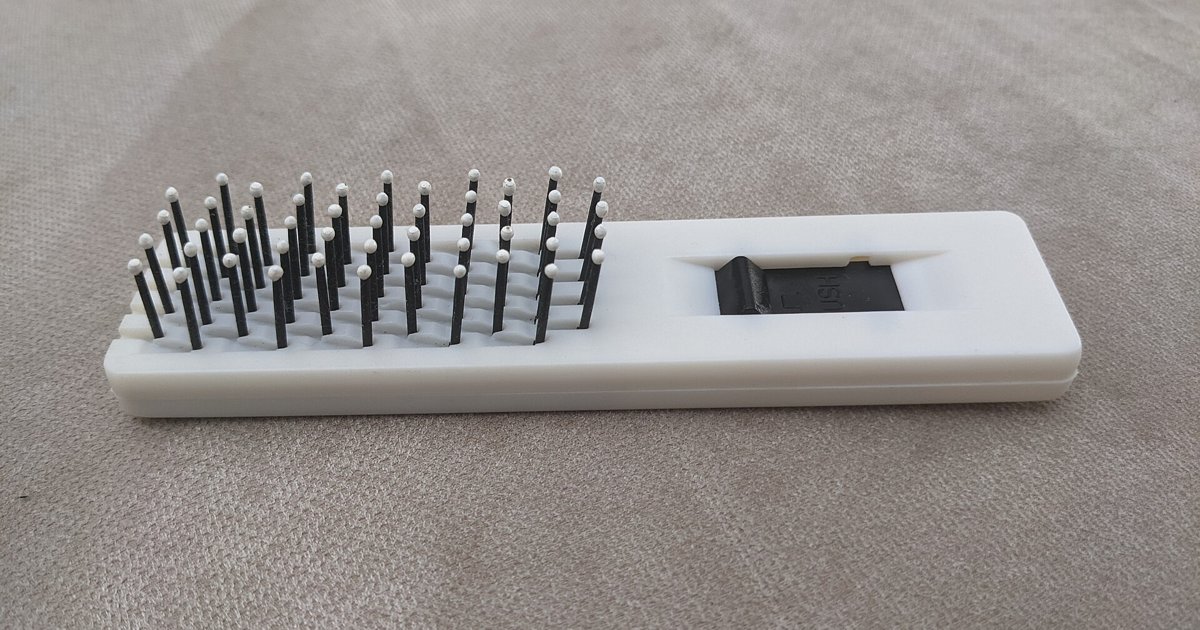
Most healthy hair tips boil down to one idea: treat your hair like a delicate fabric rather than a stubborn problem. The hair you can see is dead protein, so nothing you put on it can truly heal it, but plenty of small habits can stop it breaking, frizzing and looking tired.
You do not need a salon budget for any of this, and good healthy hair tips cost little. A few changes to how you wash, dry, brush and sleep will usually make more of a difference than a cabinet full of treatments.
Wash less aggressively
Shampoo is for the scalp, not the lengths. Massage it in with the pads of your fingers, let the suds run down as you rinse, and save the conditioner for the mid-lengths and ends. How often you wash depends on your hair. Oily scalps may need it daily or every other day, while very curly or coily hair often does better with longer gaps.
Water that is very hot strips natural oils, so aim for lukewarm and finish with a cooler rinse if you can bear it. If your scalp itches or flakes constantly, a gentle anti-dandruff shampoo is worth trying, and a doctor or pharmacist can help if it persists.
Be gentle when drying and brushing
Wet hair is more fragile, and rough towelling is a common cause of snapping and frizz. Squeeze out water with a soft cotton t-shirt or a microfibre towel instead of rubbing. Detangle from the ends upward with a wide-toothed comb, holding the hair above the knot so you are not tugging at the root.
Brushing dry hair a few times a day is fine. Hundreds of strokes are not. It is a myth that this adds shine, and it just wears the strands.
Go easy on heat
Straighteners, curling tongs and hot blow dryers all weaken hair over time. You do not have to give them up. Use a heat protectant spray, keep the temperature as low as still works, and let hair air dry a little before styling. Even one or two heat-free days a week gives the strands a rest.
Chemical colouring and bleaching add to the strain. If you colour at home, follow the timings on the box exactly, and wait a decent gap between sessions. If you want to go much lighter, a professional is the safer choice.
Keep the ends in shape
Split ends cannot be mended, only cut off. A small trim every eight to twelve weeks stops splits creeping upward and keeps the ends looking thick. If you are growing your hair out, you are not losing length by trimming, because breakage at the bottom often costs more than the trim does.
Nourish the scalp and the strands
A weekly mask can make hair feel softer, and this is where kitchen cupboard options come in. Many people like a spoonful of coconut or olive oil warmed between the palms and worked through dry ends before a wash. Others prefer a simple conditioner left on for ten minutes under a warm towel. Results are mostly about feel and shine rather than repair, and they vary from person to person.
Eating well also matters. Hair needs protein, iron, zinc and a range of vitamins to grow normally. Crash diets and long stretches of poor eating can show up as increased shedding a few months later. Supplements marketed for hair are popular, but the evidence is mixed, and taking extra of some nutrients is not always harmless, so ask a doctor before starting.
Protect hair while you sleep and while you are out
Friction overnight can roughen the surface of the hair. A silk or satin pillowcase, or a loose scrunchie or silk bonnet, helps some people, especially those with curls or long hair. It is not essential, though it is a cheap thing to try.
Sun, chlorine and salt water also dry hair out. Wet it with fresh water before a swim, wear a hat on bright days, and rinse well afterwards. Tight ponytails worn in the same spot every day can pull on the roots, so loosen them or change position.
A weekly rhythm for healthy hair tips
Here is an easy pattern to adapt.
- Wash as often as your scalp needs, conditioning the ends each time.
- Use a mask or oil treatment once a week.
- Skip heat at least two days a week.
- Trim every couple of months.
- Check your pillowcase and brush are clean.
Add these healthy hair tips one at a time, and give each a month or so. Hair grows only about a centimetre a month, so change is slow and patience genuinely pays.
When to get it checked
Everyone sheds some hair each day, usually somewhere around fifty to a hundred strands. But if you notice sudden thinning, bald patches, a widening parting, or hair that comes out in clumps, see a doctor. Thyroid problems, low iron, hormonal changes, stress and certain medicines can all play a part, and they are best sorted out properly rather than guessed at.
Otherwise, keep it kind and keep it simple. The best healthy hair tips are the ones you will repeat. Healthy hair is mostly a matter of not fighting it, and your mornings may even get a little easier.
For more background, see the Wikipedia article.
Related reading

Writes for Dream Dream You.