Slow Living: What It Means in Practice, Not Just on Instagram
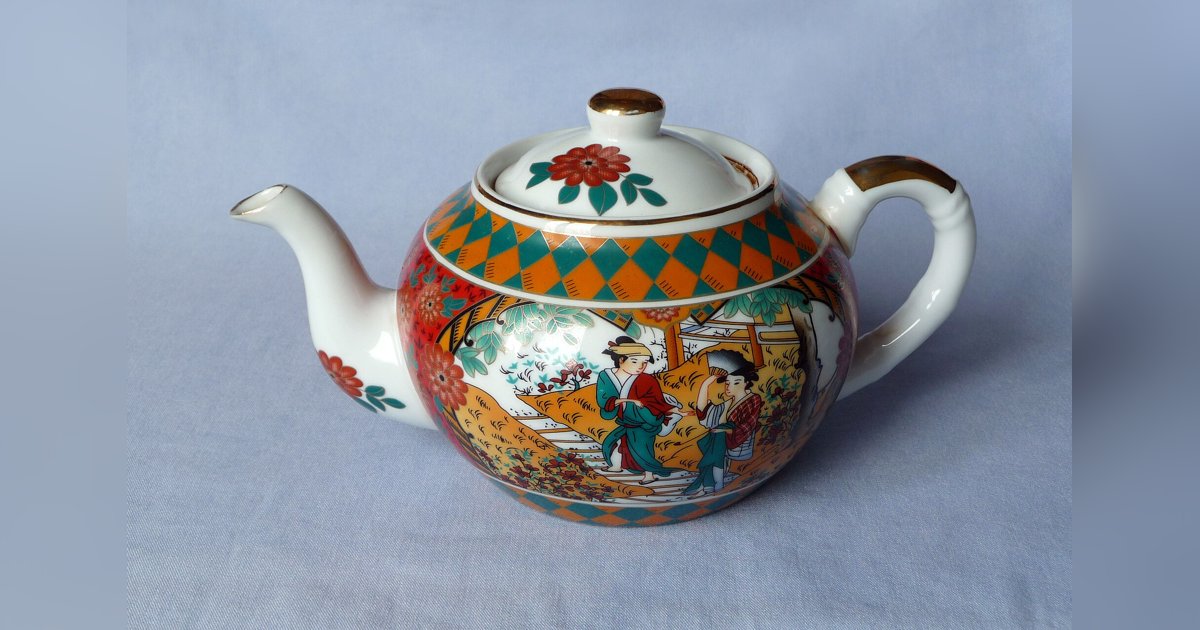
Search for slow living online and you will find linen, sourdough and a woman in a field holding a ceramic mug. Lovely, but not very useful if you have a job, a commute and a pile of laundry. In practice, slow living is a much plainer idea. It means choosing how you spend your time and attention, rather than letting speed decide for you. You do not need to move to the countryside, and you do not need to quit anything dramatic.
Where slow living came from
The idea grew out of the Slow Food movement, which began in Italy in the 1980s as a response to fast food and the loss of local food traditions. Over time, the same thinking spread to other parts of life, including travel, work, fashion and home.
The core is simple. Quality over quantity, presence over hurry, and a bit more thought about what you actually want. It is not about being slow at everything, but about being intentional about where speed is useful and where it is not.
What slow living means day to day
For most people, slow living appears in small habits. It is eating a meal at the table without a screen. It is walking to the shop instead of ordering by default. It is leaving ten extra minutes before an appointment so you arrive calm.
It can also mean saying no to some invitations, choosing fewer commitments, or noticing the light in your kitchen at 4 p.m. None of this requires special equipment. It requires paying attention, which is free but surprisingly hard.
Starting with the morning
Mornings are a natural entry point because they set the tone. Try not looking at your phone for the first twenty minutes. Make a hot drink and actually sit with it. Open a window, stretch, or just stand for a moment.
If your mornings are chaotic because of children or an early shift, shrink the idea. One quiet minute with your coffee before the day takes over is still a form of slow living, and it counts.
Slow living at home and at work
At home, it might mean cooking a simple meal from scratch on a Sunday, mending a button, or tidying one drawer instead of the whole house. It tends to go hand in hand with owning fewer, better things, though this is a leaning, not a rule.
At work, try doing one thing at a time. Close extra tabs. Take a proper lunch break away from your desk. Batch email into set times, if your job allows. Research on multitasking suggests that switching between tasks tends to cost time and accuracy, so single-tasking can make you faster as well as calmer.
Common misunderstandings
A few myths get in the way.
- It is not laziness. Many slow living people are busy and productive, but deliberate.
- It is not expensive. Hand-thrown pottery is optional. A walk and a pot of tea cost almost nothing.
- It is not perfection. You will rush sometimes, and that is fine.
- It is not only for people with free time. In fact, it matters most when time is scarce.
Slowing down the digital side
Much of modern hurry lives in our pockets. A few boundaries can help without making you a hermit. Turn off non-essential notifications. Keep the phone out of the bedroom, if you can. Choose a regular time to check news and social media instead of dipping in all day.
These small shifts can free up surprising amounts of attention. Slow living does not reject technology, it simply puts you back in charge of when and why you use it. Try a phone-free hour in the evening and see how it feels.
Keeping slow living realistic
Pick one or two changes and give them a month. Maybe a device-free dinner, or a weekly long walk. Add more only if they feel good. If you try to overhaul everything at once, you have just created another demanding project.
Notice what you gain. Many people report feeling less frazzled and more connected to their surroundings, although these experiences are personal and not guaranteed. And if persistent exhaustion or low mood makes it hard to slow down, a conversation with a doctor is a reasonable step.
At its heart, slow living is just a question you ask now and then: is this the pace I want for this? Sometimes the answer is yes, hurry. Often, it is a gentle no, and that small pause is the practice.
For more background, see the Wikipedia article.
Related reading

Writes for Dream Dream You.