Sustainable Fashion: How to Shop Secondhand Like You Mean It
Sustainable fashion can sound complicated, with its labels, certifications and debates about fabrics. But one of the simplest ways to take part is also one of the oldest: buy clothes that already exist. Secondhand shopping keeps garments in use for longer, which is widely seen as one of the more effective things an ordinary shopper can do.
It is also, quite honestly, fun. There is something satisfying about finding a wool coat for the price of a sandwich, or a jumper nobody else will have. Here is how to do it well.
Why secondhand makes sense
Making clothes takes water, energy, raw materials and labour. Extending the life of a garment spreads that cost over more wears. Fashion produces a large amount of textile waste each year, and much of it could have stayed in circulation for longer.
Secondhand is not perfect, since transport and cleaning still count, but it avoids the demand for brand new production. Research on exactly how much is saved varies with the method used, so be wary of any single dramatic number. The sensible takeaway is simple: wearing something many times beats buying something new.
Know where to look
Different places suit different shoppers.
- Charity shops: Cheap, local, and the money often supports a good cause. Rotating stock rewards frequent visits.
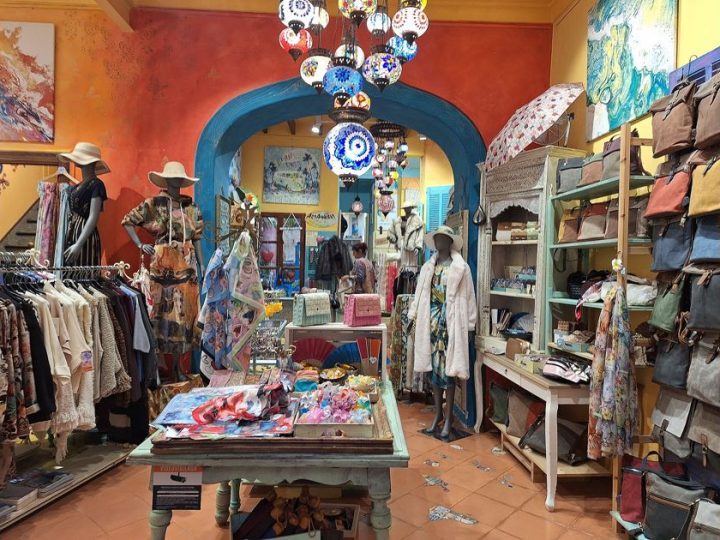
- Vintage and consignment shops: Curated, more expensive, but easier to browse.
- Online resale apps and marketplaces: Huge choice and filters by size, brand and condition, though you cannot try things on.
- Clothes swaps: Free, sociable and a good way to refresh a wardrobe with friends.
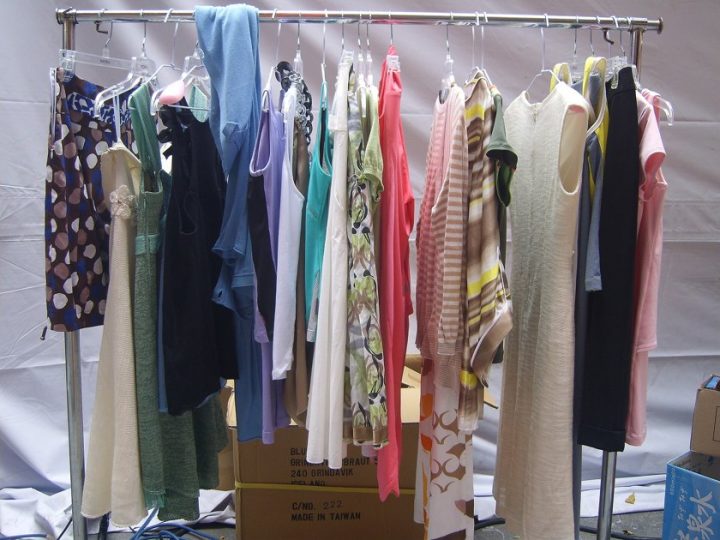
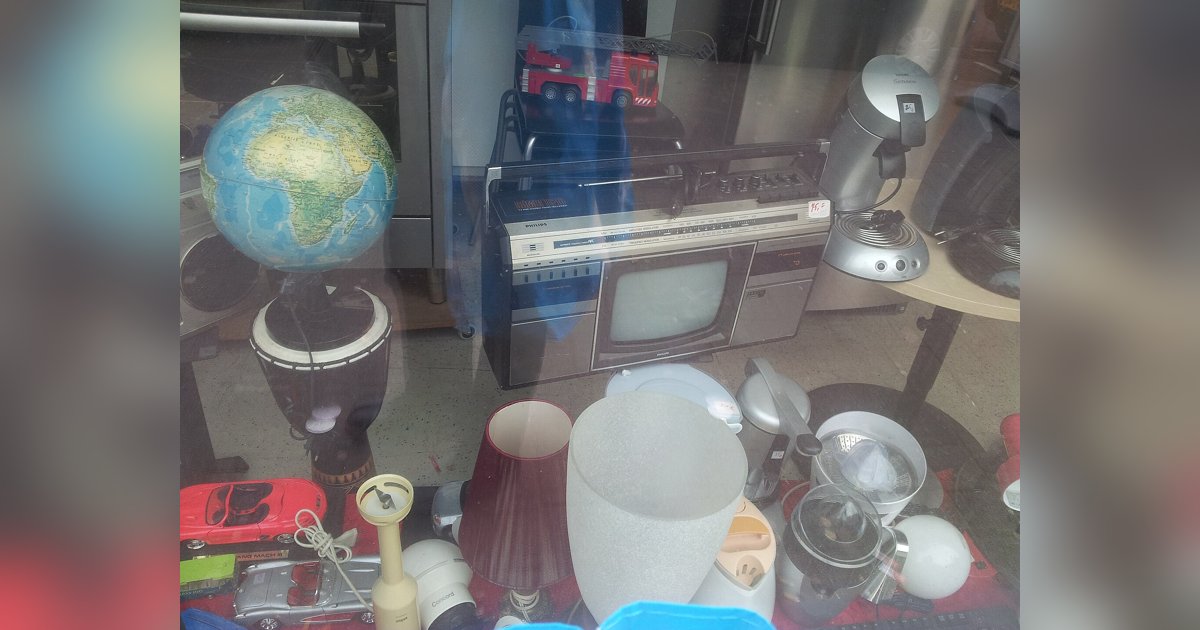
- Car boot sales, flea markets and jumble sales: Hit and miss, with sharp bargains for patient browsers.
Affluent areas often have better charity shops, as donors tend to give higher quality items. That is a general rule, not a promise.
Go with a list, but stay open
Before you head out, note what your wardrobe lacks. A black belt, a winter coat, plain tees. A list helps you avoid buying something just because it is cheap. Cheap is only good value if you will wear it. Still, leave room for the unexpected find that suits you perfectly.
Keep your measurements in your phone, as sizes vary hugely between decades and brands. A tape measure in your bag helps when no changing room exists.
Check quality like a detective
Quality is what makes secondhand sustainable fashion truly work. Look at these things before you buy.
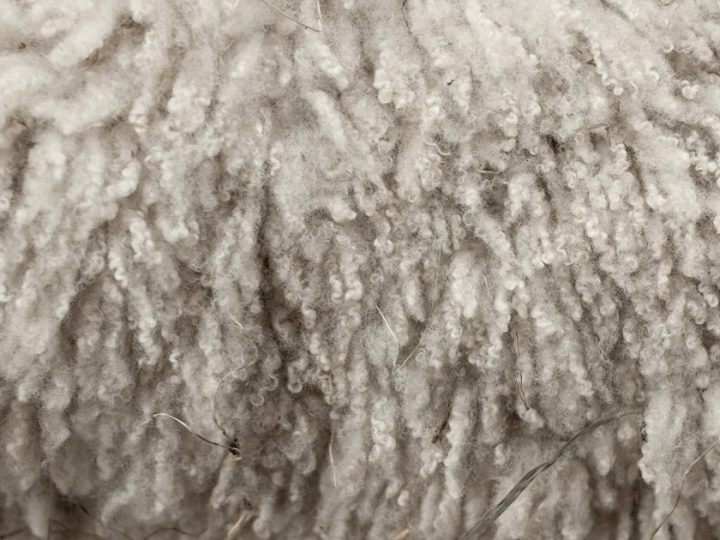
- Fabric: Natural fibres such as wool, cotton, linen and silk usually last well. Check the label, and feel it.
- Seams and stitching: Pull gently to see whether seams are tight and even.
- Underarms, collars and cuffs: These show wear and staining first.
- Zips, buttons and linings: Make sure they work and are not torn.
- Smell: Musty or smoky odours can be stubborn.
- Bobbling: Heavy pilling often means the fabric is already tired.
Small flaws can be fixed. A missing button or a loose hem takes minutes to repair. A moth hole or a strong stain probably is not worth the trouble.
Think about fit and your existing wardrobe
Try everything on, and ask yourself if you can make at least three outfits with it. Fit matters as much as price. A tailor can take in a waist or shorten sleeves, which often makes a bargain look expensive.
Clean and care for what you bring home
Wash or dry-clean new finds before wearing them, following the care label. For musty smells, airing outside, a white vinegar rinse or a long soak sometimes helps. Hang woollens flat or on padded hangers to prevent stretching, and store with cedar or lavender if moths are a worry.
Learning basic mending is a quiet superpower. Sewing on a button, darning a small hole and tightening a hem will keep your clothes going for years.
Sustainable fashion beyond buying
Shopping is only part of it. Buy less, wear things until they are done, and wash them gently and less often to reduce wear. Sell or donate what you no longer wear, instead of binning it. Swap with friends. Rent for special occasions you will not repeat.
Be careful about greenwashing, too. Words like “eco” and “conscious” on a label do not always mean much, so look for specific information, such as certifications and clear materials, and be sceptical of vague claims.
You do not need to be perfect. Sustainable fashion is a habit of paying attention and choosing slowly, not a purity test. Start with one secondhand item next month, enjoy the hunt, and see where it leads.
For more background, see the Wikipedia article.
Related reading

Writes for Dream Dream You.