Holiday Traditions Around the World That Are Worth Borrowing
Every culture has its ways of marking the darkest and brightest parts of the year. Looking at holiday traditions around the world, you start to notice the same themes turning up again and again: light in the dark, food shared at a long table, and a pause to be with family and neighbours.
Here is a short tour of holiday traditions, with a few ideas worth borrowing. Customs vary by region and family, so treat these as snapshots, not complete descriptions.
Light against the darkness
In northern Europe, winter is long and dim, so candles carry weight. In Sweden and other Nordic countries, Saint Lucia’s Day on 13 December is marked with processions of children in white robes, a crown of candles, and warm saffron buns. Hanukkah, the Jewish festival of lights, sees one candle added each night for eight nights. Diwali, celebrated by Hindus, Sikhs, Jains and some Buddhists in autumn, fills homes and streets with oil lamps and lights.
You can borrow this easily. A row of candles on the windowsill or a string of lights on a dark evening costs almost nothing, and it changes how a room feels.
Food at the centre
Food does most of the talking. In Japan, New Year is the biggest holiday, and families prepare osechi, a set of small dishes in lacquered boxes, each with a symbolic meaning such as health or prosperity. In Italy, many families eat a long Christmas Eve meal built around fish, while in Poland a Christmas Eve supper traditionally includes twelve meatless dishes and an extra place at the table for an unexpected guest.
In Mexico and across Latin America, tamales are often made in large groups, with relatives working together in an assembly line. The cooking is as much of the tradition as the eating.
Journeys and processions
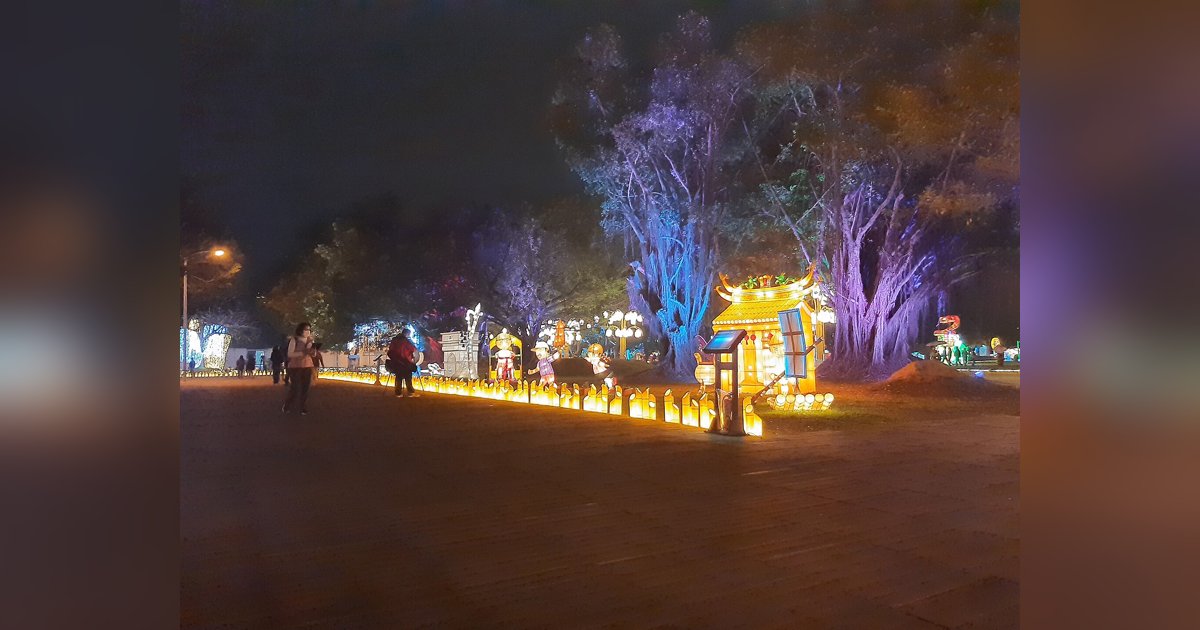
Many holidays involve movement. In Mexico, posadas are nine nights of processions re-enacting the journey of Mary and Joseph, with songs, piñatas and treats. In the Philippines, the Giant Lantern Festival in San Fernando draws crowds each December with spectacular illuminated lanterns. In Spain, the Three Kings parade on 5 January brings children out to catch sweets before the gifts on Epiphany morning.
Gifts and giving
Who brings the presents differs by place. Santa Claus is familiar in many English-speaking countries, but children in other places look for Saint Nicholas, the Three Kings or a gift-bringing goat or witch. In Iceland, the Yule Lads, thirteen mischievous characters, leave small treats in shoes. In Catalonia, children hit a log called Tió de Nadal with sticks and sing to make it give up sweets.
Gifts can be small. Many families now favour handmade items, books or shared experiences, which can be warmer than a pile of packaging.
Quiet and reflective traditions
Not every celebration is loud. Ramadan and Eid al-Fitr in Muslim communities mix a month of fasting and reflection with joyful feasts, new clothes and charity. Lunar New Year across East and Southeast Asia combines family reunions, red envelopes, cleaning the house and special foods. Many families visit graves, tend memorials or tell stories about loved ones who are gone.
Holiday traditions in the UK and US
Closer to home, familiar holiday traditions have their own stories. Christmas trees were popularised in Britain by the Victorian royal family, who borrowed a German custom. Crackers and paper hats are very British. In the US, Thanksgiving tables, football on the television and the Black Friday rush mark the season, while Hanukkah, Kwanzaa and many other observances sit beside Christmas in diverse neighbourhoods.
How to start your own
You do not need to inherit one of these holiday traditions to have a tradition of your own. The ones that last tend to be simple and repeatable. A few ideas follow.
- Choose a recipe and make it every year, even if the first attempt is a disaster.
- Take a walk to look at lights on a set evening.
- Write one thing you are grateful for on a card and keep them in a jar.
- Invite a neighbour or someone who might be alone.
- Borrow one custom from another culture, with respect and curiosity, and learn its meaning first.
What holiday traditions share
Holiday traditions around the world look different on the surface, yet they are doing similar work. They mark time, bring people together and give us something to look forward to when the days are short. Whatever you celebrate, a candle, a shared meal and a little time with people you love is a good place to begin.
For more background, see the Wikipedia article.
Related reading

Writes for Dream Dream You.