Weekend Getaway Planning on a Budget

A weekend getaway is the cheapest way to feel like you have been somewhere. Two nights away can reset a tired mind just as well as a week-long trip, if you plan it with a bit of care. The trick is spending money where it counts and being relaxed about everything else.
Pick close, not far
Travel time eats into a short trip. Every hour on the road is an hour you are not wandering or napping, so look for places within two or three hours of home. A town you have never visited, a coastal village, a national park, or a small city with a walkable centre will all do nicely.
Think about what you want to feel. Some people want a cabin and silence, others want cafes and street life. Naming that first stops you from choosing somewhere impressive on paper that does not suit you.
Going out of season helps too. Prices for rooms and rentals are often lower midweek or outside school holidays, and crowds thin out. If your schedule allows, leaving on a Friday afternoon or returning on a Monday morning can open up cheaper options than a standard Saturday and Sunday.
Spend wisely on a weekend getaway
Transport and accommodation are the two big costs, so start there. Compare trains, coaches and driving, and remember to count parking and fuel. Book trains and coaches ahead where advance fares exist, which are often much cheaper than turn-up tickets.
For lodging, look beyond hotels. Hostels with private rooms, guesthouses, campsites, farm stays and shared rentals can cost a fraction as much. If you travel with friends, splitting a rental cuts the price per person sharply. Read recent reviews and check the cancellation terms before you pay. Free cancellation is worth a little extra for a trip you might need to move.
Location often matters more than luxury. A simple room within walking distance of the main sights saves you taxi fares and time.
Food without the fuss
Eating out for every meal is where budgets quietly vanish. A better mix is one sit-down meal you look forward to, and the rest simple and local.
- Pack snacks, fruit and a refillable water bottle for the journey.
- Have breakfast at a bakery or the market rather than at a hotel.
- Make lunch the main restaurant meal, since set lunch menus tend to cost less than dinner.
- Visit a local market or supermarket and put together a picnic.
If your accommodation has a kitchen, a simple dinner on the first night saves money and gives you a calm evening.
Plan lightly
Overplanning kills the point of a short break. Pick two or three things you really want to do, and leave the rest of the time open. Look up whether there are free options: walking trails, beaches, public gardens, museum free days, markets, viewpoints. Many towns publish simple walking maps through their tourist offices.
Check opening times before you go, because small places close earlier or on certain days than you might expect. Book anything that has limited entry, such as a popular tour or restaurant. Then let the rest of the day unfold.
A rough shape helps: one main activity each day, a long lunch, and unhurried time at the end. It is easy to try to cram a week’s worth of sights into forty-eight hours and come back more tired than when you left.
Pack small and travel light
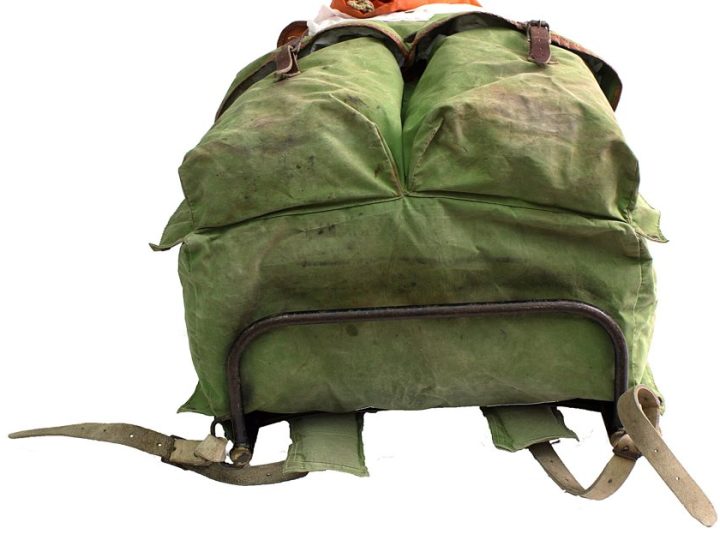
A small bag makes the whole trip easier. You can skip baggage fees, move quickly through stations and walk to your lodging. For two nights, you rarely need more than a couple of tops, one extra pair of trousers, underwear, a light jacket and toiletries. Wear your bulkiest shoes on the journey.
Keep a list in your phone so you are not starting from scratch each time. Include chargers, any medicines you take, a small first-aid kit and a printed or saved copy of bookings. A spare plastic bag for damp or dirty items is always handy.
Make the most of a short time away
Arriving early or leaving late stretches the trip. Leave straight after work on Friday if you can, so Saturday morning begins with coffee in a new place rather than a car park. On the final day, plan something relaxed so the journey home does not feel like a scramble.
Put your phone away for chunks of the day. The point of a weekend getaway is to feel different, and it is hard to do that while answering emails. Let people know when you are unavailable, and stick to it.
Try to keep a bit of flexibility for weather. Choose a couple of indoor options, like a museum, a cinema or a spa-style pool, as a back-up if it rains. A wet afternoon in a cosy cafe can turn out to be the best bit.
Keep a small fund
If you love getting away, a tiny recurring habit helps more than a grand plan. Put a small amount aside each pay day in a separate pot labelled “trips”. After a few months you have enough for a train fare and a room without touching your regular budget.
It also helps to keep a running list of places you would like to visit, picked up from friends, magazines or maps. When a free weekend appears, you do not have to start from nothing.
Short trips are about change more than distance: a different bed, different streets, different food. Choose somewhere close, spend carefully on the things you will remember, and leave space for the unexpected. A good weekend getaway rarely costs as much as you think, and it usually leaves you with more than you spent.
For more background, see the Wikipedia article.
Related reading

Writes for Dream Dream You.