Best Ways to Try Solo Travel for the First Time
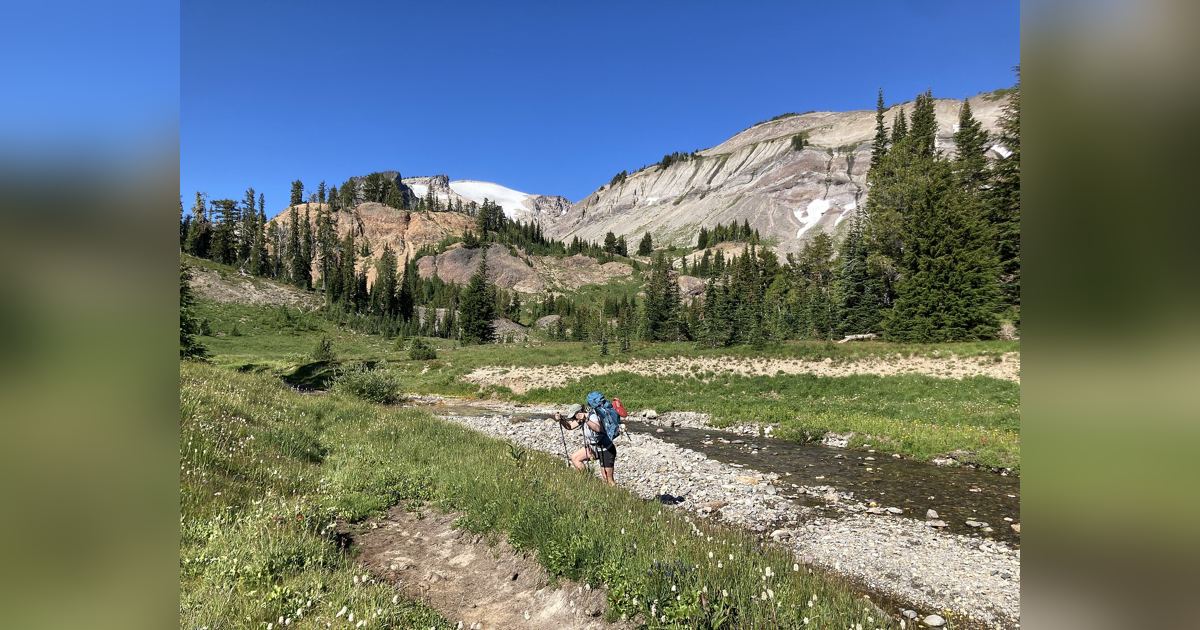
Travelling alone for the first time is exciting and a little frightening, often in the same breath. The good news is that solo travel is a skill, and like most skills it gets easier with a bit of preparation and a gentle start. You do not need to be fearless. You just need a plan that suits you.
Start with an easy trip
Your first trip does not have to be a month in the jungle. A long weekend in a nearby city, or a week somewhere with good transport and a language you speak, is a great way to find your feet. You learn what you enjoy about being on your own, and what you do not, without a lot at stake.
Choose a destination that is known for being welcoming to visitors. Cities with simple public transport and plenty of hostels, guesthouses and cafes make life easier. Check your government’s travel advice for the country, which usually covers safety and entry requirements.
Solo travel safety basics
Most solo trips go smoothly, but a few habits are sensible.
- Share your itinerary with someone at home and check in at agreed times.
- Keep digital copies of your passport, insurance and bookings, saved offline.
- Book your first night’s accommodation in advance, so you arrive with somewhere to go.
- Arrive in daylight when you can, especially in unfamiliar places.
- Trust your instincts. If a situation feels wrong, leave politely and without explanation.
Read recent reviews for accommodation and look at the neighbourhood on a map. Carry a small amount of cash separately from your cards, and avoid showing valuables in busy places. Travel insurance that covers medical care is a good idea, and check what your policy covers before you go.
Be careful with alcohol and with accepting drinks from strangers. Pay attention to local customs on dress and behaviour, which helps you blend in and avoids misunderstandings.
Make solo travel feel less lonely
Being alone is different from being lonely, but the two can blur on a long trip. Some simple things help.
Stay somewhere social. Hostels with common rooms, small guesthouses where the owner chats at breakfast, and shared dormitory rooms all give you easy chances to meet people. Many hostels also have private rooms if you want quiet at night.
Join a walking tour, cooking class or day trip. Group activities give you a ready-made group and a topic of conversation. Eating at a bar counter or communal table instead of a table for one tends to make conversation come naturally.
Also, plan to enjoy your own company. Take a book, keep a journal, sit in a cafe with no agenda. Some of the best moments on a solo trip are quiet ones, and you get to choose precisely how to spend them.
Handling the practical bits
Pack light. You will be carrying everything yourself, and a smaller bag makes you more mobile and less of a target. Bring a phone with a local SIM or an eSIM, or download offline maps before you leave. A portable charger is useful on long days.
Learn a few phrases in the local language. Hello, thank you, please and “do you speak English” go a long way, and people tend to respond warmly.
Keep a rough budget, with a little set aside for surprises. Eating alone can feel pricey in some places, so markets, street food and set lunches are good options. Consider splitting your money across a couple of cards and keeping one in a different bag in case something goes missing.
The upsides of travelling alone
There is real freedom in solo travel. You eat when you are hungry, linger in the museum you love and skip the one you do not. You change your plan in the middle of the afternoon because the light is good or because it rains. Nobody has to compromise.
Many people say they learn more about themselves on their own, though that is a personal experience rather than a promise. You make every decision, large and small, and the small ones add up to confidence. Getting lost and finding your way back is a story you will tell for years.
When things go wrong
Something usually does, at least slightly: a missed bus, a closed attraction, a cancelled train. Having a back-up plan makes it less stressful. Know the number for local emergency services and the address of your country’s embassy or consulate. Keep some spare money for a taxi or an extra night.
If you feel unwell, do not push through; rest, and see a local doctor or pharmacist if needed. If you feel homesick, call someone, take a slow day, or find a familiar comfort such as a favourite snack.
Take the first step
The hardest part of solo travel is booking the ticket. After that, the rest has a way of working itself out. Start small, tell someone your plans, stay open to chance conversations and give yourself permission to change course. Whether you come home with a new favourite city or simply the knowledge that you can manage perfectly well on your own, a first solo trip is almost always worth taking.
For more background, see the Wikipedia article.
Related reading

Writes for Dream Dream You.