Nail Care Basics You Can Do at Home
Good nail care is quieter than it looks on social media. There are no elaborate gadgets or endless coats of polish involved, just a few small habits that keep your nails strong, tidy and comfortable. Once you know them, the routine takes about ten minutes a week.
Nail care is mostly patience, because nails are made of keratin, the same protein found in hair, and they grow slowly, roughly three millimetres a month for fingernails. That means nothing you do will change them overnight, but steady care adds up.
Nail care starts with a few simple tools
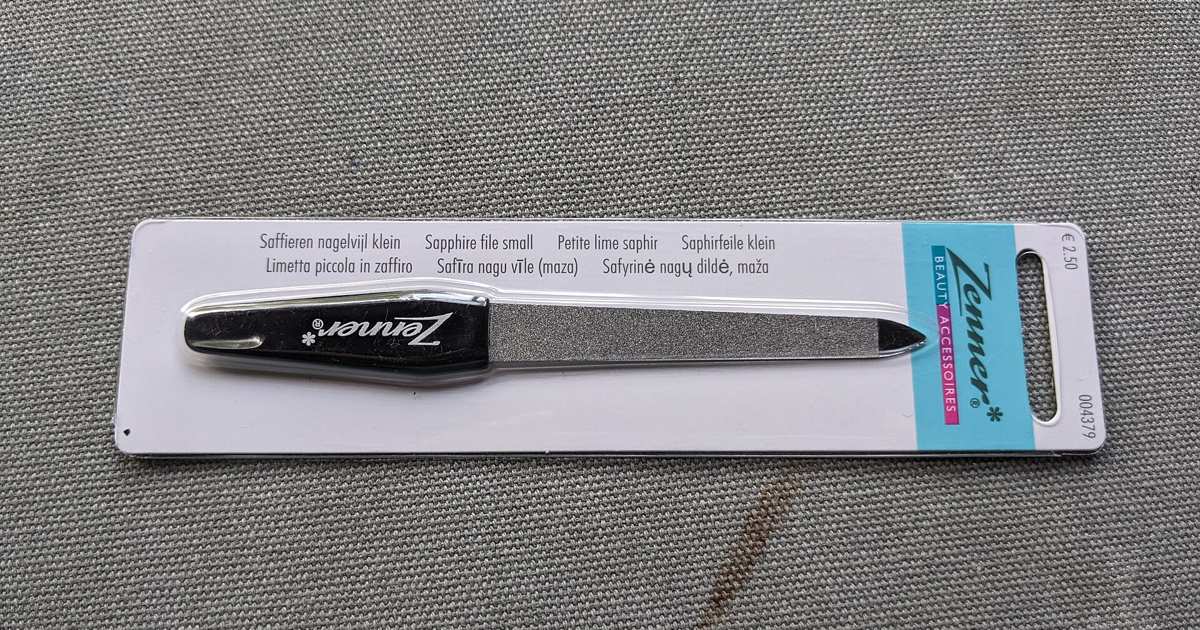
You do not need a drawer full of equipment. A pair of sharp nail clippers or scissors, a fine-grit file (glass or emery), a soft buffer, an orange stick or soft cuticle pusher, cuticle oil and a decent hand cream will cover nearly everything. Keep them clean. Wash tools with soap and water, and wipe them with rubbing alcohol if you share any, since dirty implements can spread infection.
Trim and shape with care
Cut nails straight across for toes, which helps prevent ingrown nails, and in a gentle curve for fingers if you prefer. Do it after a shower or bath when the nail has softened a little and is less likely to split. Short cuts are better than ripping or biting.
When you file, move in one direction instead of sawing back and forth, which can fray the edge and cause peeling. Rounded, oval or squared-off shapes tend to be sturdier than sharp points, because there is less to snag.
Look after the cuticles
The cuticle is a protective seal between the nail and the skin. Cutting it can invite infection, so most guides suggest leaving it alone. Instead, soften it with warm water, then push it back gently with a soft tool, and rub a drop of cuticle oil around the base each evening. Jojoba oil and plain petroleum jelly both work well, and plenty of people simply use their hand cream.
If you notice a hangnail, snip only the loose bit with clean clippers and moisturise afterwards. Pulling it off usually makes things worse.
Keep hands and nails moisturised
Dry nails split and peel, and dry hands do not help. Apply hand cream after washing your hands and again before bed, working it into the nails and cuticles. Wear rubber gloves for washing up, cleaning with strong products, or gardening, as long soaks in hot soapy water leave nails brittle.
Drink plenty of water and eat a balanced diet with enough protein, iron and zinc. Biotin supplements are heavily advertised for nails, but the evidence is mixed, and they can interfere with some blood tests, so talk to a doctor before taking them.
Painting nails without damaging them
Polish is fine in moderation. Start with a clear base coat, which stops colour from staining the nail, then apply two thin coats of colour and a top coat. Thin layers dry faster and chip less. Let each coat set properly.
Give your nails a break between manicures now and then, perhaps a week every month or two. When removing polish, choose an acetone-free remover if your nails are dry, hold the cotton pad on for a few seconds, then wipe gently. Never peel off polish or gel, since it takes layers of the nail with it.
Gel and acrylic extensions deserve a note. Done well, they are safe for many people, but poor removal is the usual culprit behind thin, sore nails. If you are doing them at home, follow instructions closely, and be careful with UV lamps and skin protection.
Habits that quietly wreck nails
A few everyday behaviours do most of the harm.
- Biting or picking at nails and cuticles
- Using nails as tools to open tins or scrape labels
- Leaving hands wet for long periods
- Over-filing or buffing, which thins the nail plate
- Constant use of harsh sanitiser without moisturiser
Replacing the habit is easier than banning it. Keep a file in your bag and smooth a ragged edge instead of tearing it. A bitter-tasting nail polish helps some people stop biting.
Know what is normal and what is not
Fine ridges running lengthwise are common, particularly as we age. White flecks usually come from minor knocks. But if a nail changes colour, thickens, separates from the nail bed, becomes painful or swollen, or a dark streak appears that was not there before, see a doctor. Fungal infections, injuries and some medical conditions can show up in the nails, and they need proper diagnosis rather than a coat of polish.
A tidy weekly routine
Once a week, give your nail care a few minutes: soak your hands briefly, trim and file, tend to the cuticles, and apply oil and cream. Check your toes too, because feet often get forgotten. Consistent nail care is not glamorous, but it is gratifying: strong, smooth nails that need very little decoration at all.
For more background, see the Wikipedia article.
Related reading

Writes for Dream Dream You.